


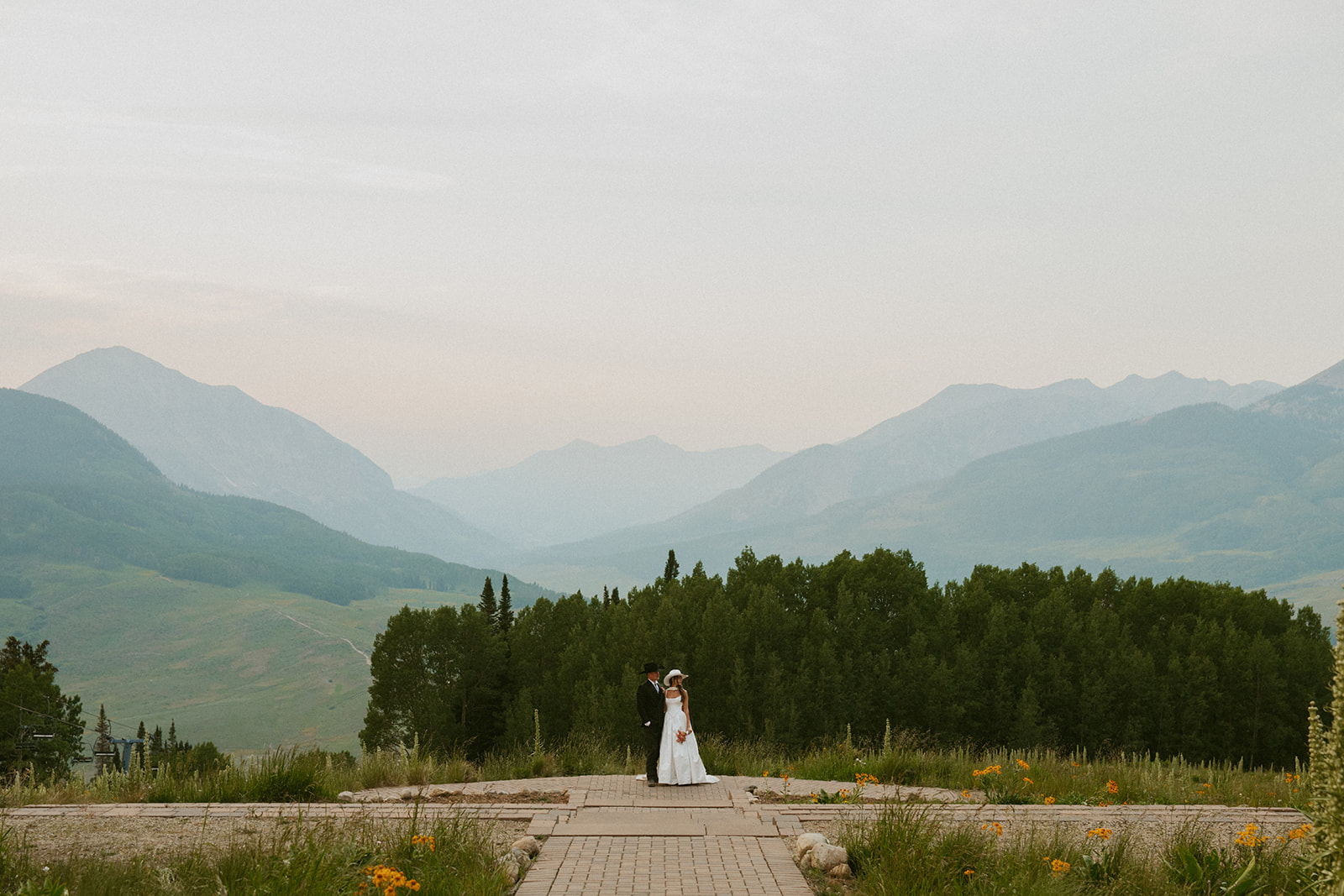
After seven years of photographing weddings, couples, and elopements. I’ve figured out what elopement photography gear actually works for the way I shoot. And spoiler alert, it’s not a camera bag filled with a million different lenses. I’m a big believer that more gear doesn’t automatically make you a better photographer. For me, the best setup is the one I barely have to think about. I want to be paying attention to what’s happening in front of me, not wondering which lens I should grab next.
And if you’re newer to photography and constantly seeing photographers share massive gear collections online, please don’t feel like you need to immediately go buy all of it. You need reliable gear that works for you and the way you photograph. My setup has actually gotten simpler over the years. Because I’ve learned exactly what I reach for, and what ends up sitting in my bag!
The Elopement Photography Gear That’s Actually in My Bag
My camera setup is pretty straightforward. I shoot on two Nikon Z8 camera bodies, and the lens that lives on my camera probably 90% of the time is my Tamron 35–150mm f/2–2.8. I also keep a Sigma 24–70mm f/2.8 with me, but honestly, it mostly comes out when 35mm just isn’t wide enough for what I’m trying to photograph.
I think there can be this pressure in the photography industry to own every focal length. Multiple camera bodies, a handful of primes, and basically enough equipment to open your own camera store. There’s nothing wrong with having a lot of gear if you genuinely use it. But you also don’t need all of that to create a full, varied gallery. My bag is built around what makes my job easier, especially as I photograph more destination elopements and micro-weddings.
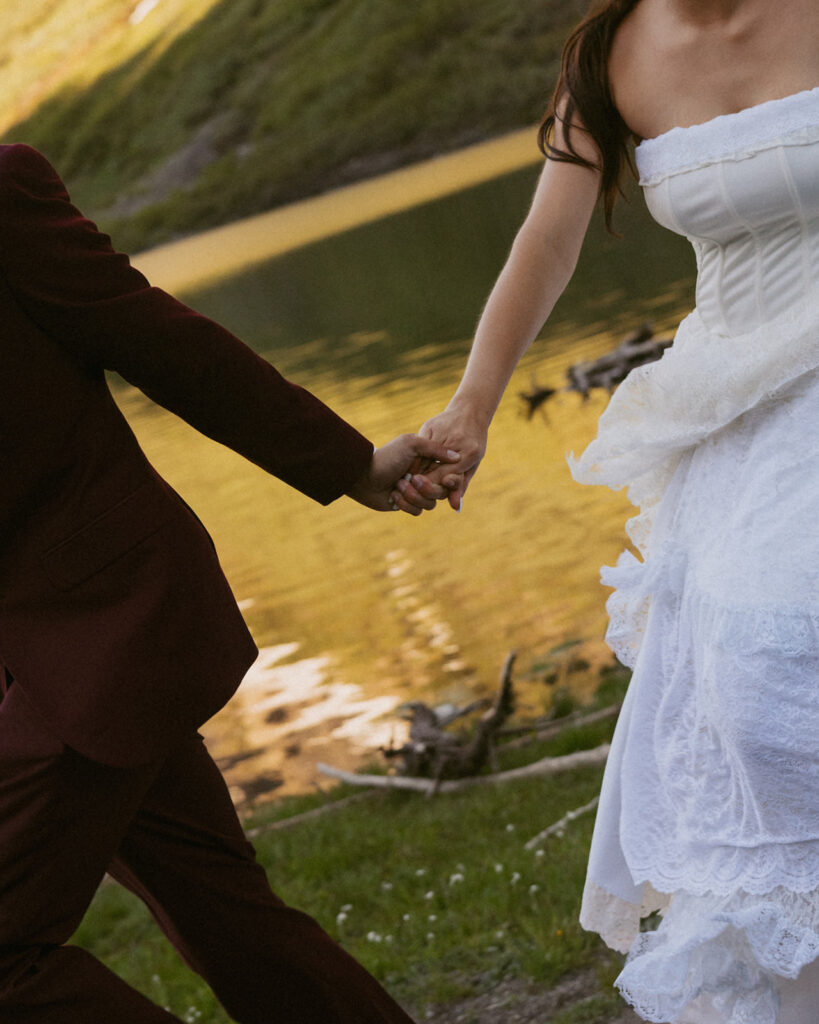
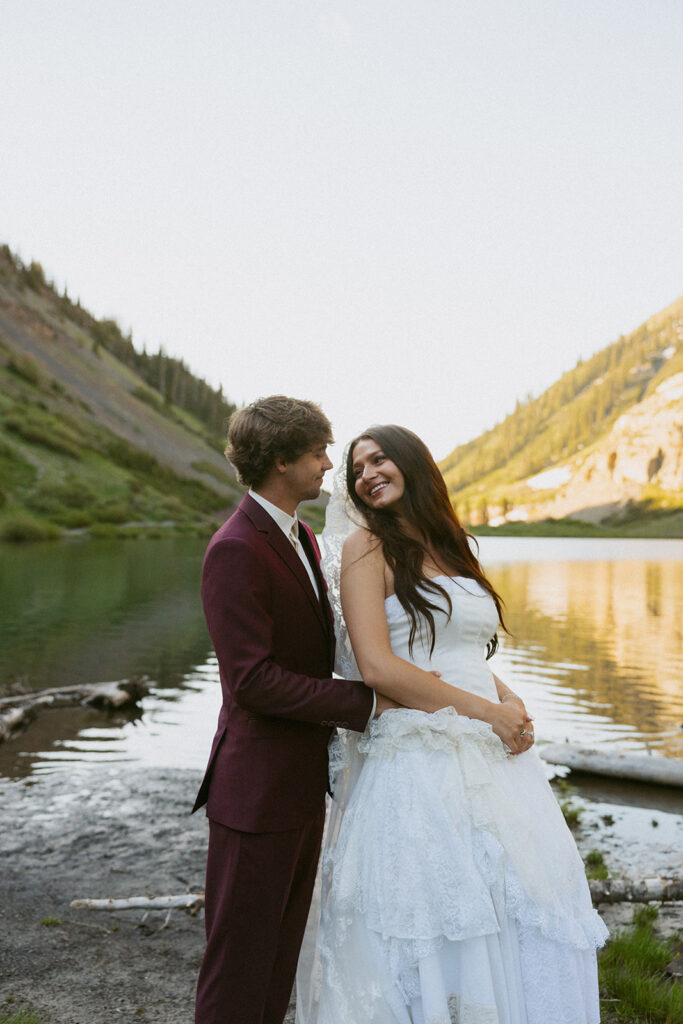
Why the Tamron 35–150mm Is My Ride-or-Die Lens
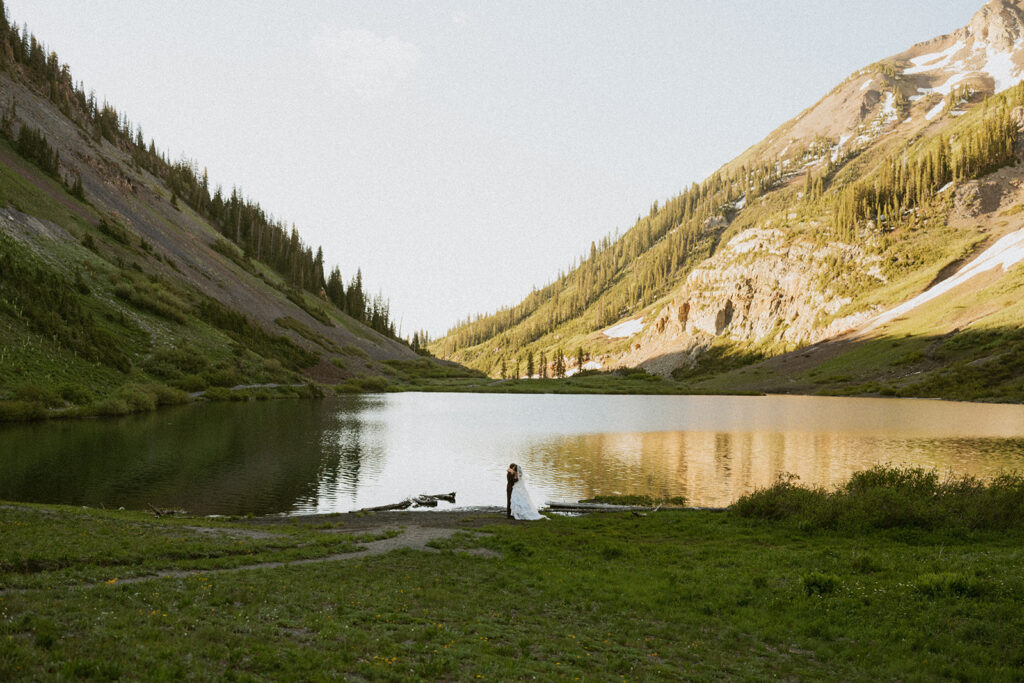
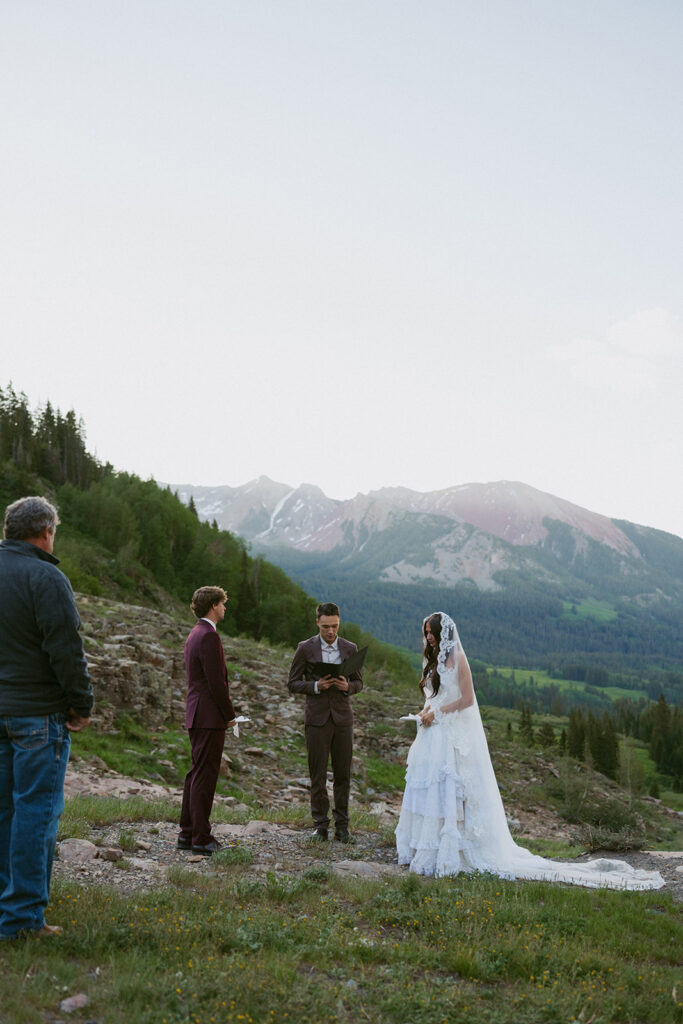
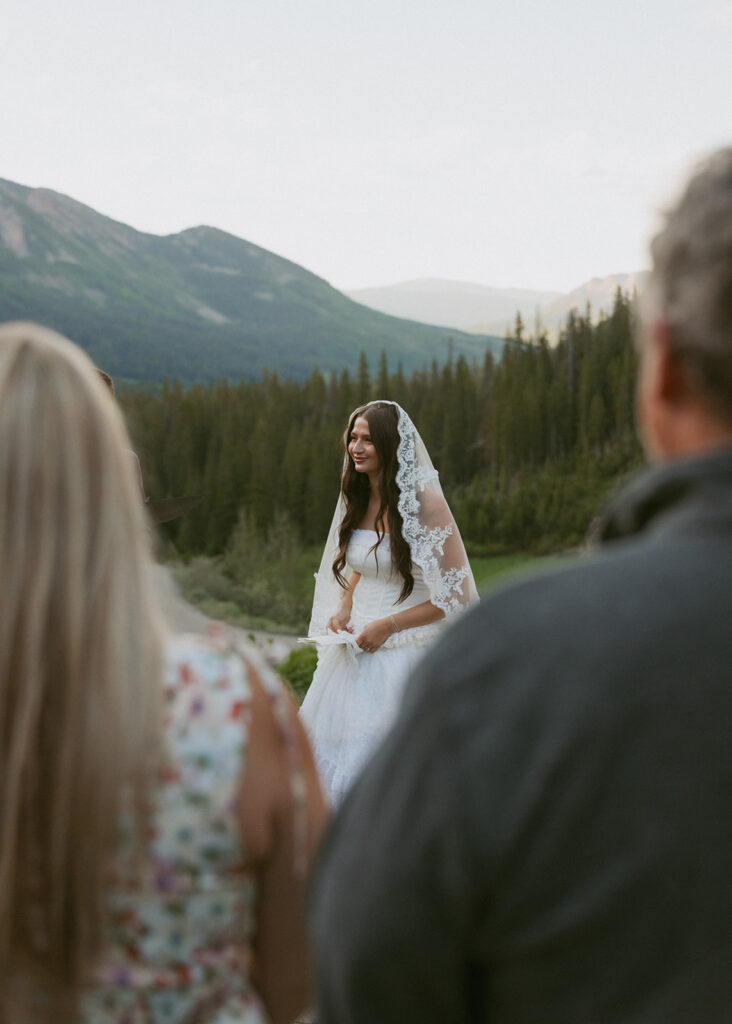
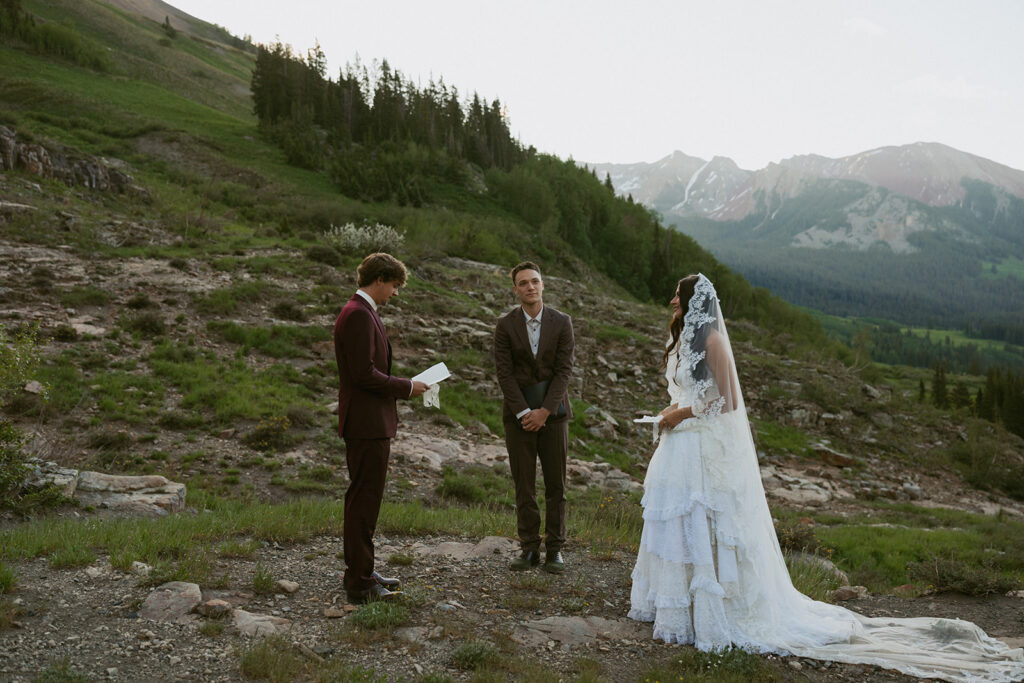
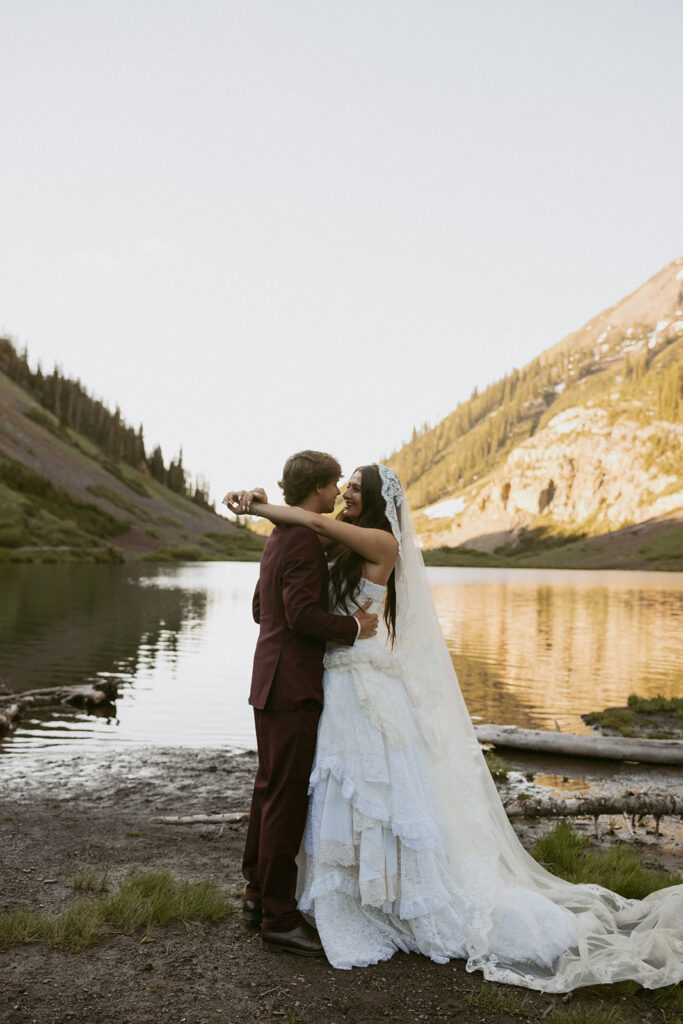
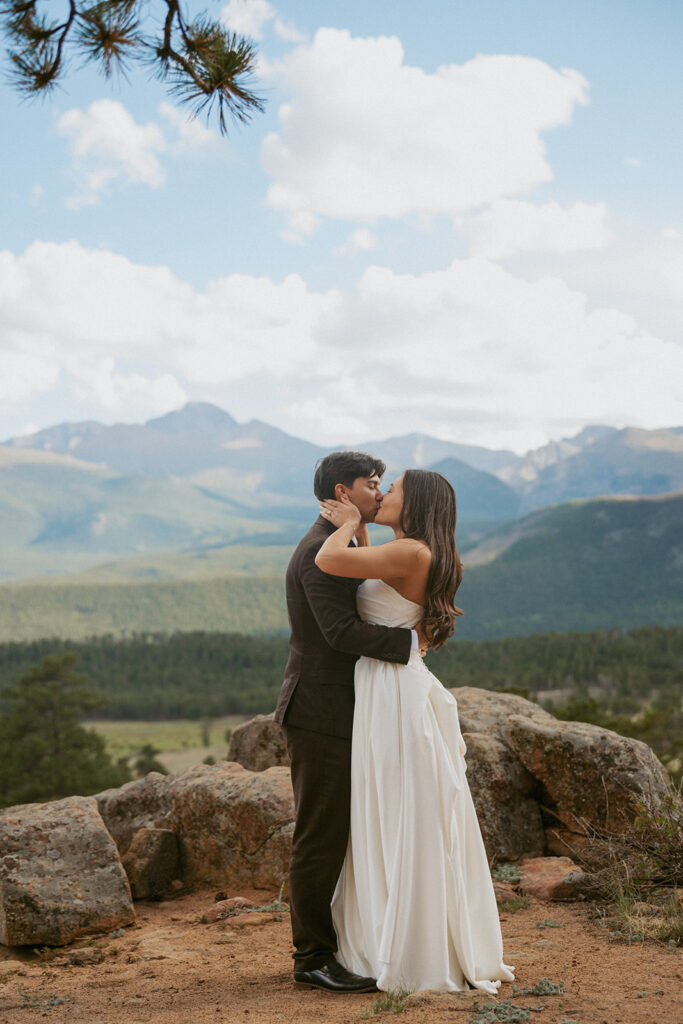
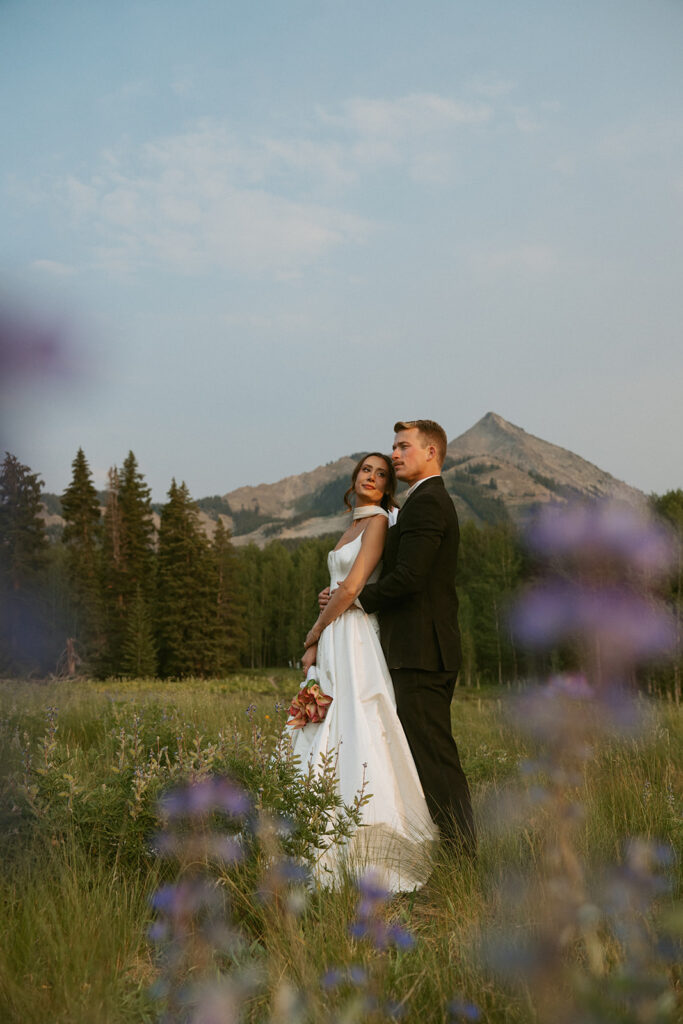
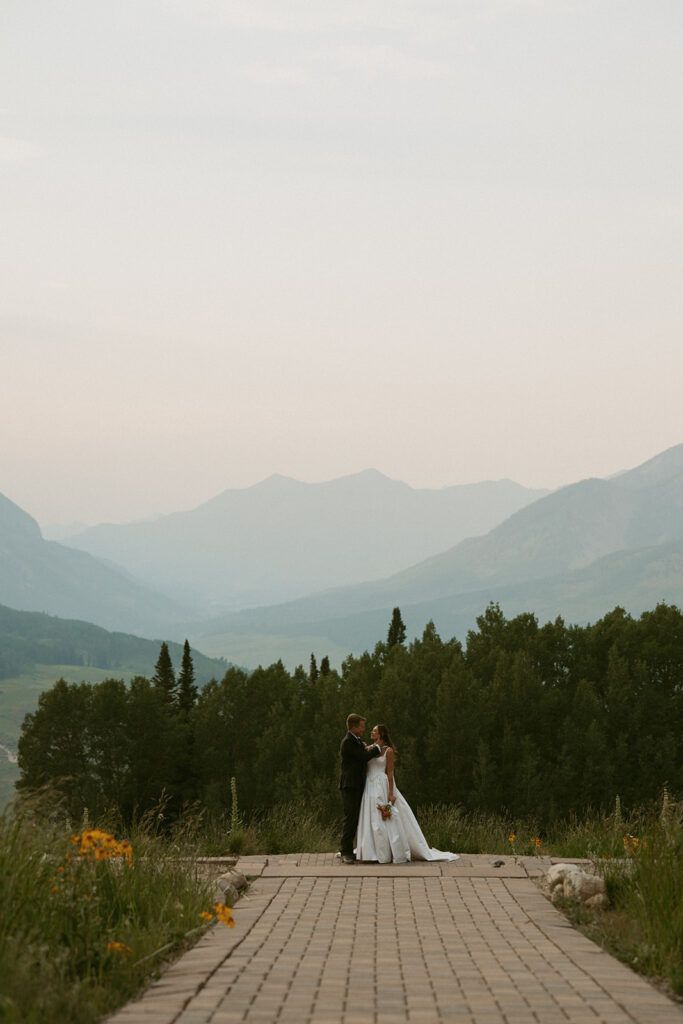
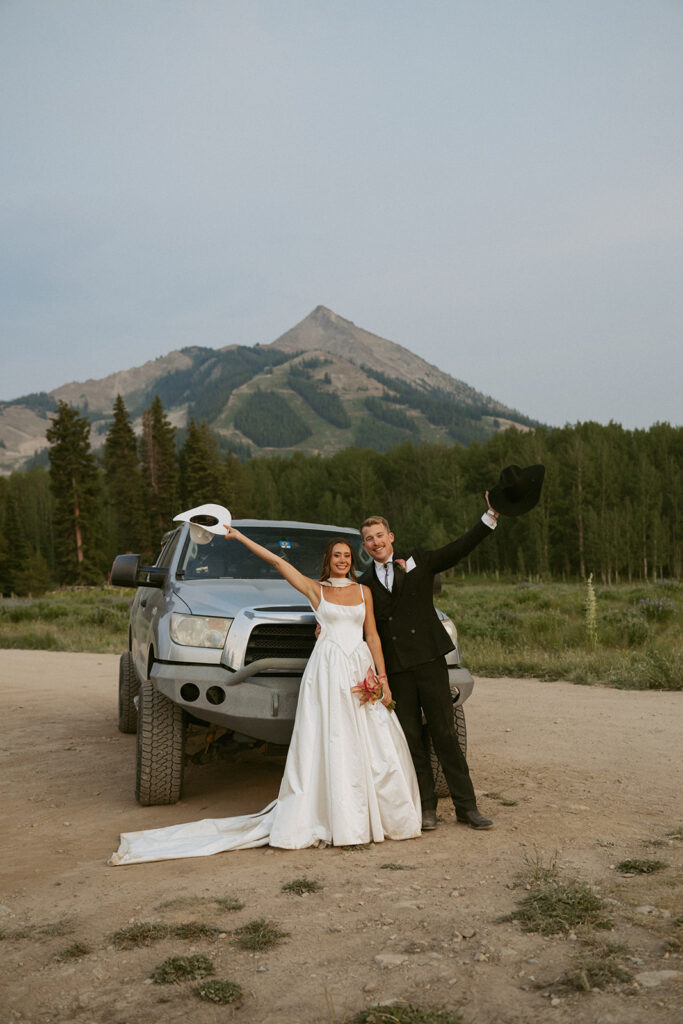
If I had to choose the piece of elopement photography gear that makes the biggest difference in how I work. It would easily be my Tamron 35–150mm. It gives me such a huge range without forcing me to constantly stop and switch lenses. And that matters because elopements move FAST. One second, I’m photographing the entire landscape and showing how tiny my couple looks surrounded by everything around them. A few seconds later, I notice a tear starting to fall, someone laughing, or one of those little looks between the couple that lasts half a second. I want to be able to zoom in and catch it without stopping to change lenses. Swapping camera bodies, or physically getting right in their space.
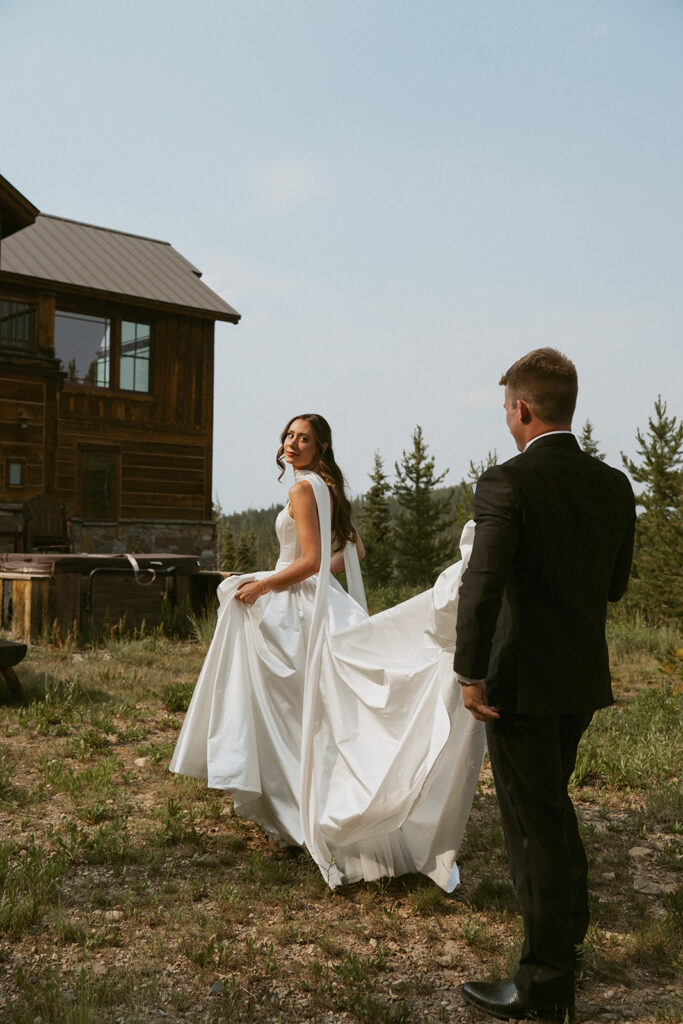
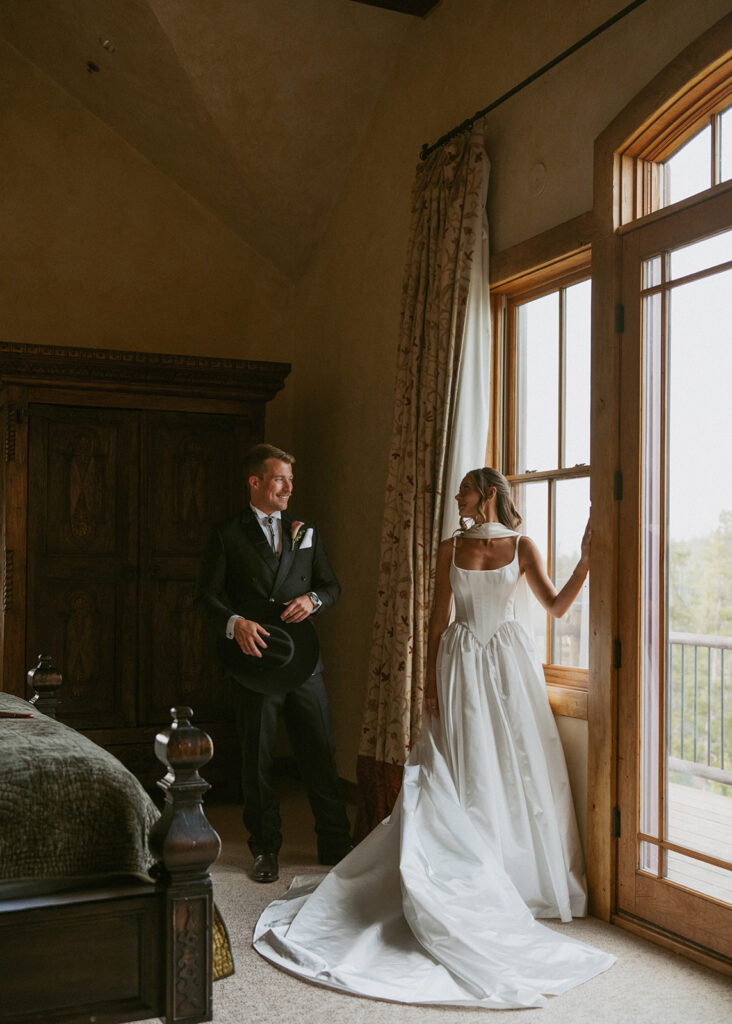
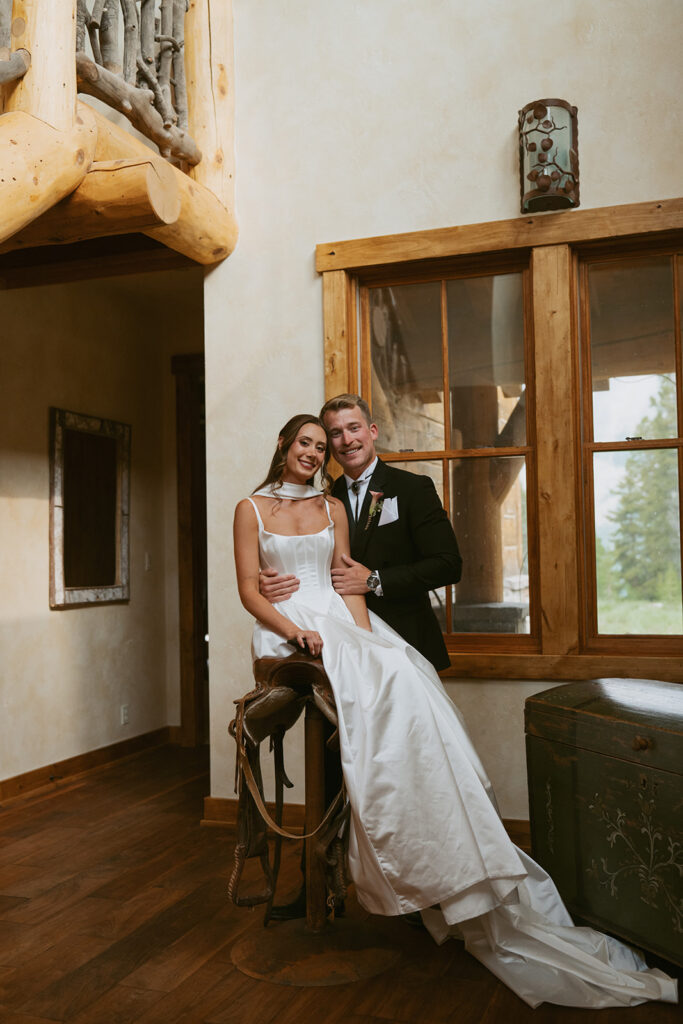
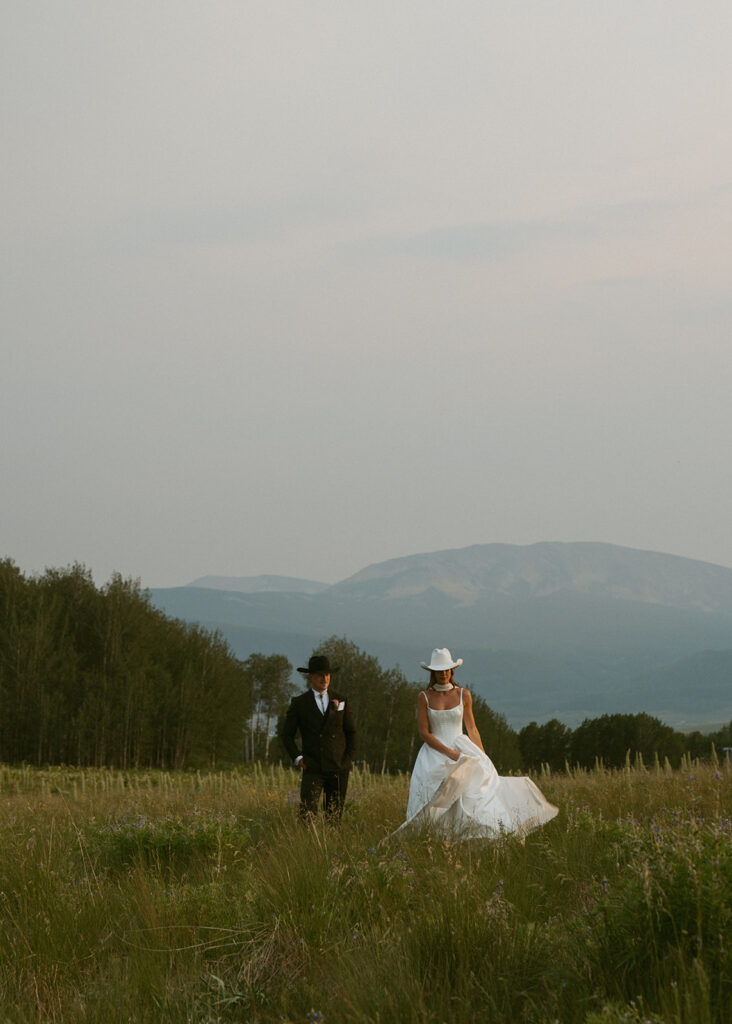
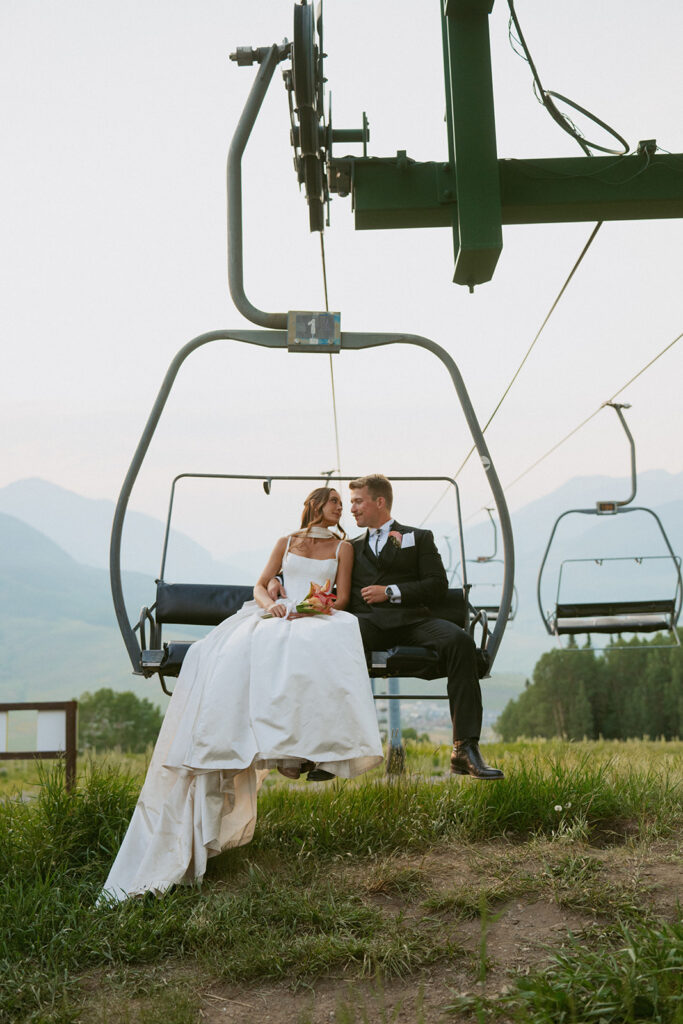
That range also gives me so much variety within one gallery. I can photograph wide landscapes, little details, movement, portraits, and tighter documentary moments all with the same lens. The photos don’t all have to feel like they were created with the same setup just because they were. I can completely change the perspective without interrupting what’s happening. For elopements and micro-weddings especially, that freedom is huge. These days are intimate. There aren’t hundreds of guests creating distance between me and the couple. And I don’t want my gear choices to make me more distracting than I need to be. Being able to stay where I am and quickly change my focal length lets me document what’s happening without inserting myself into every moment.
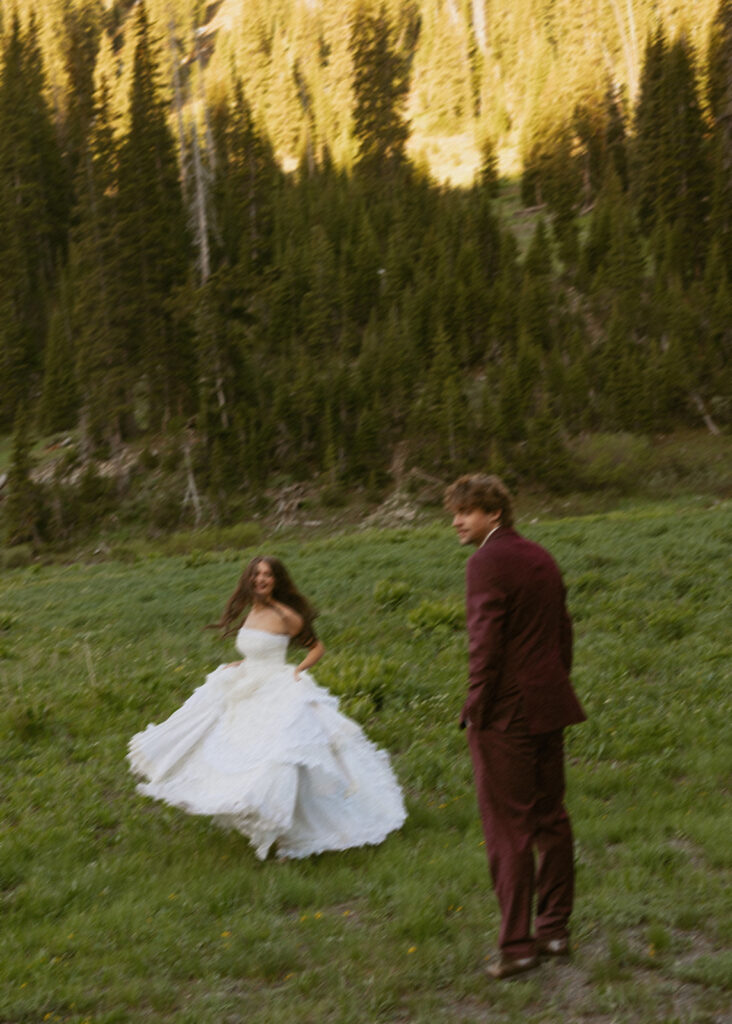
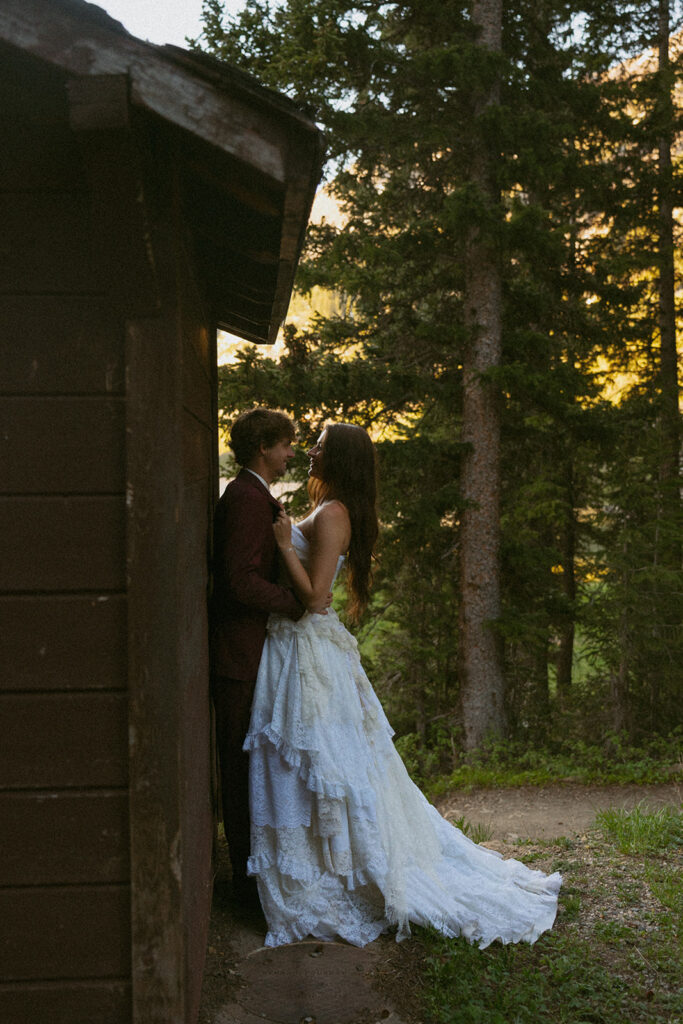
One Lens, Completely Different Perspectives
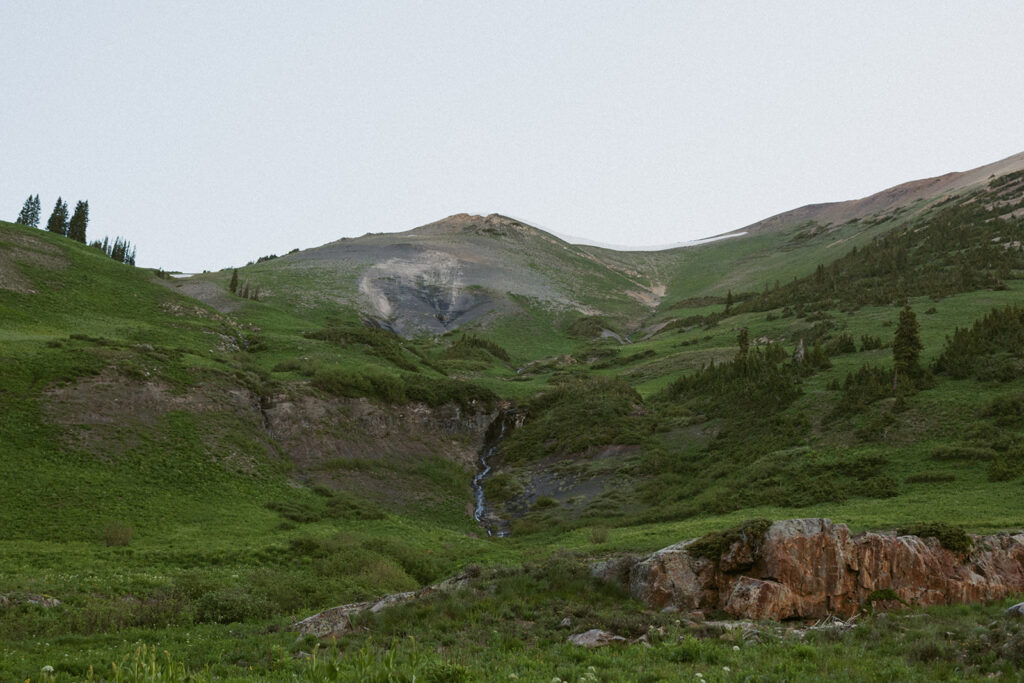
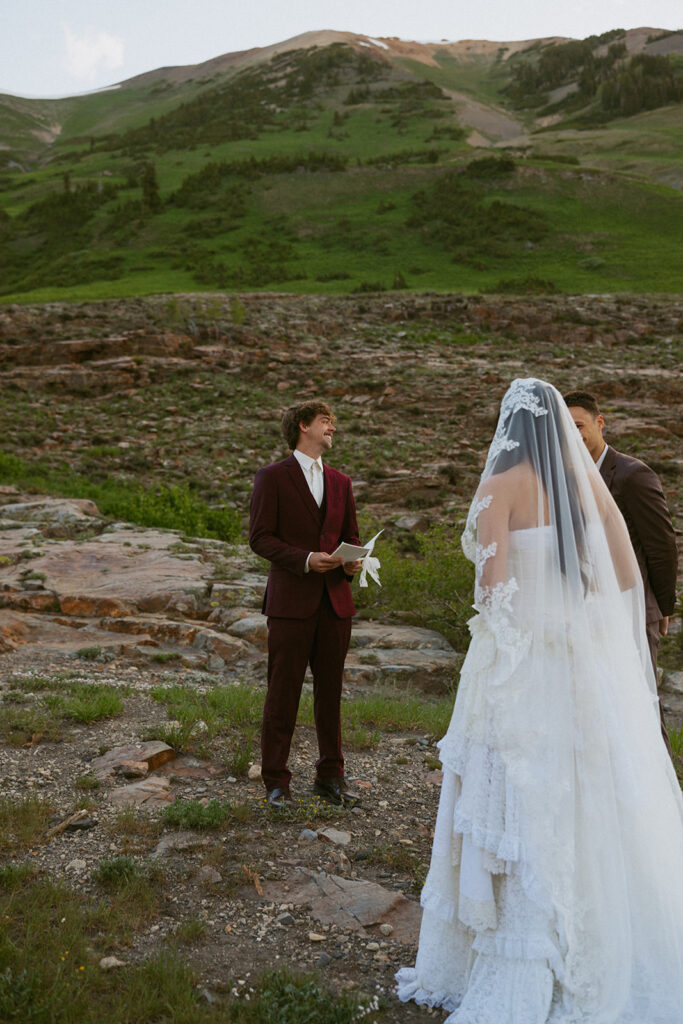
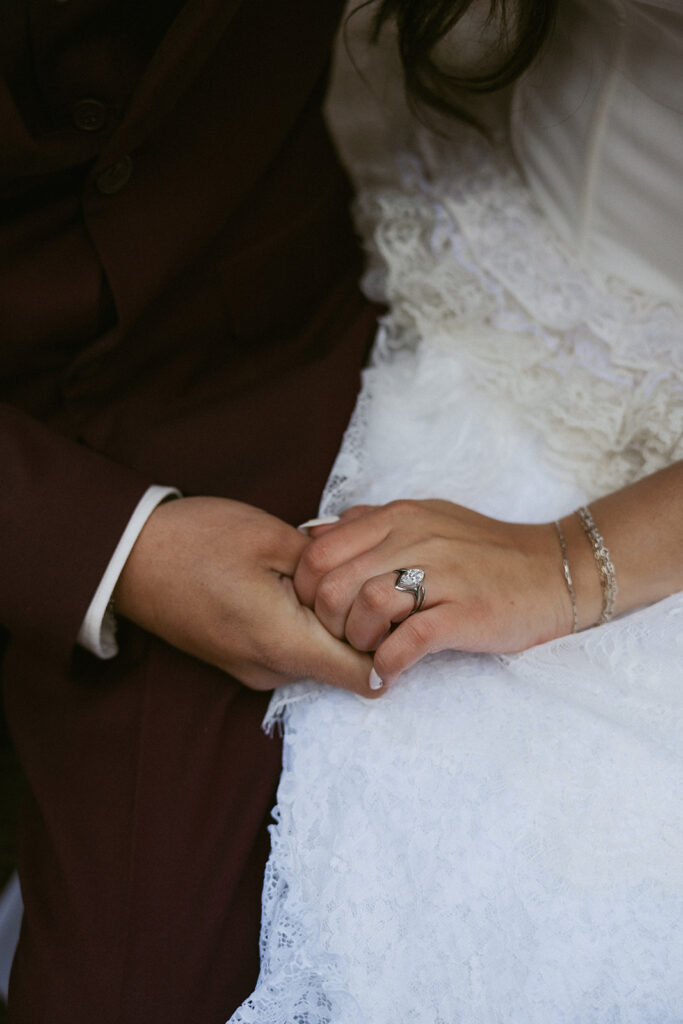
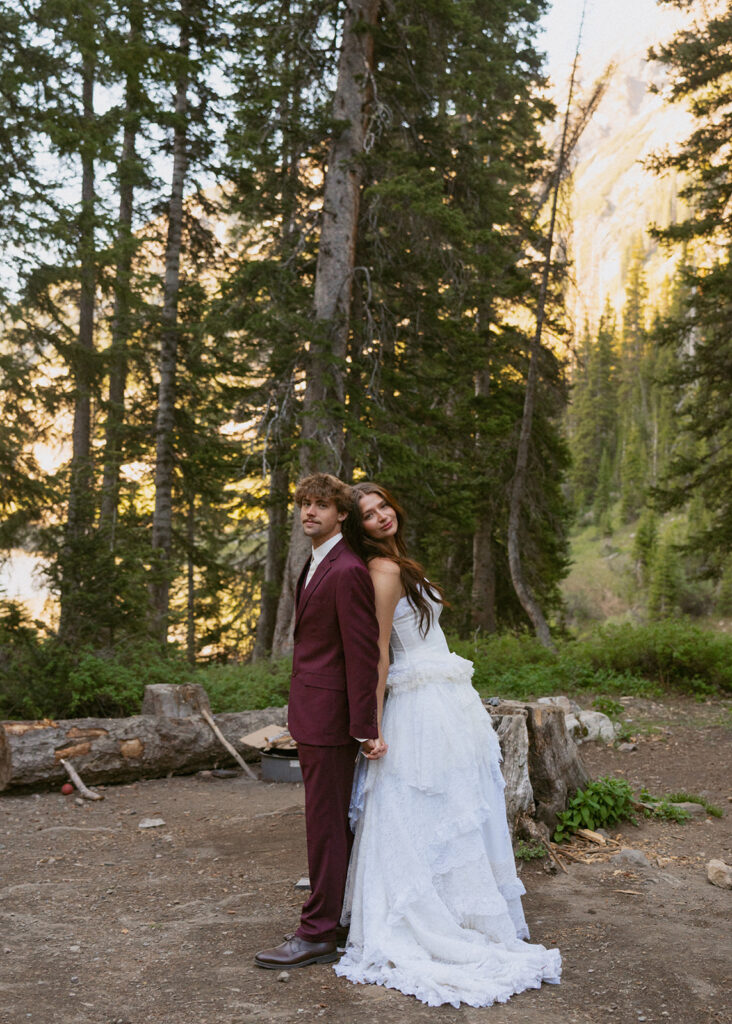
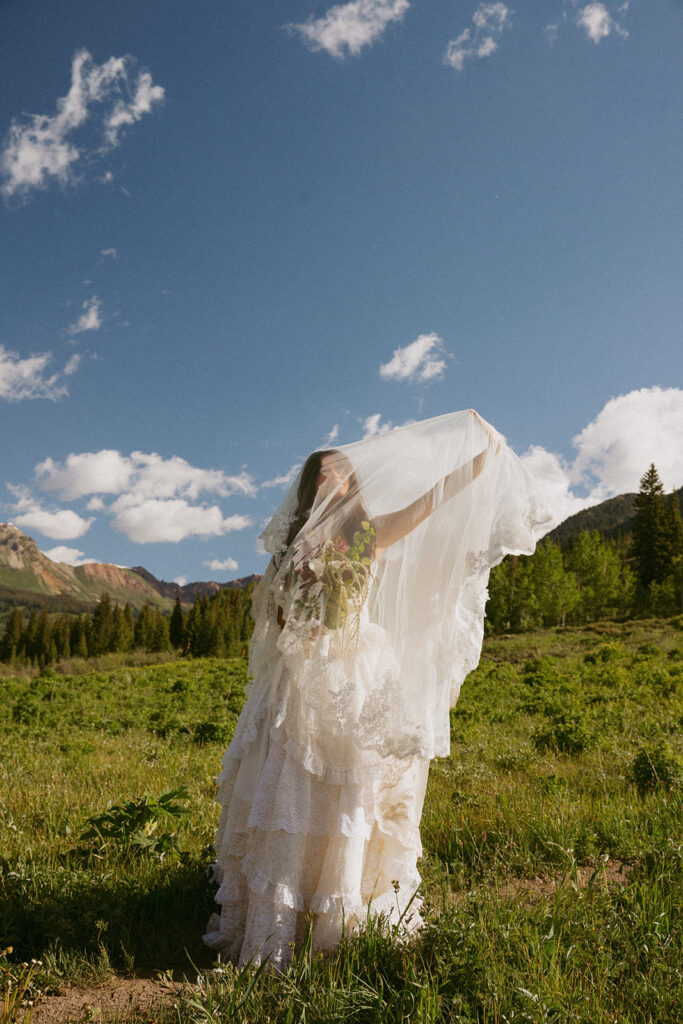
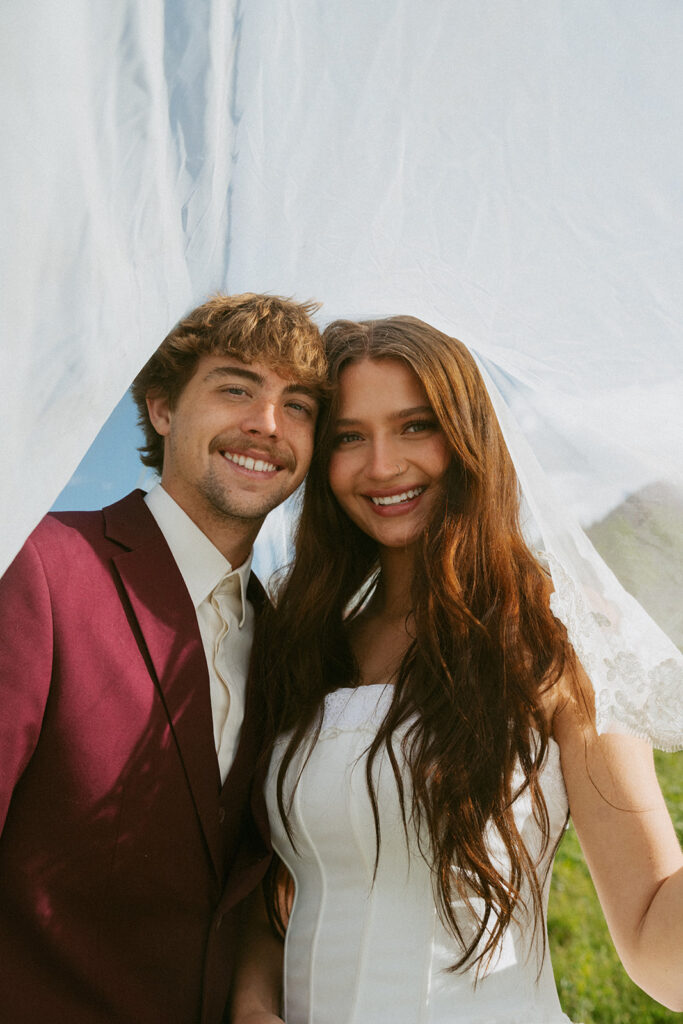
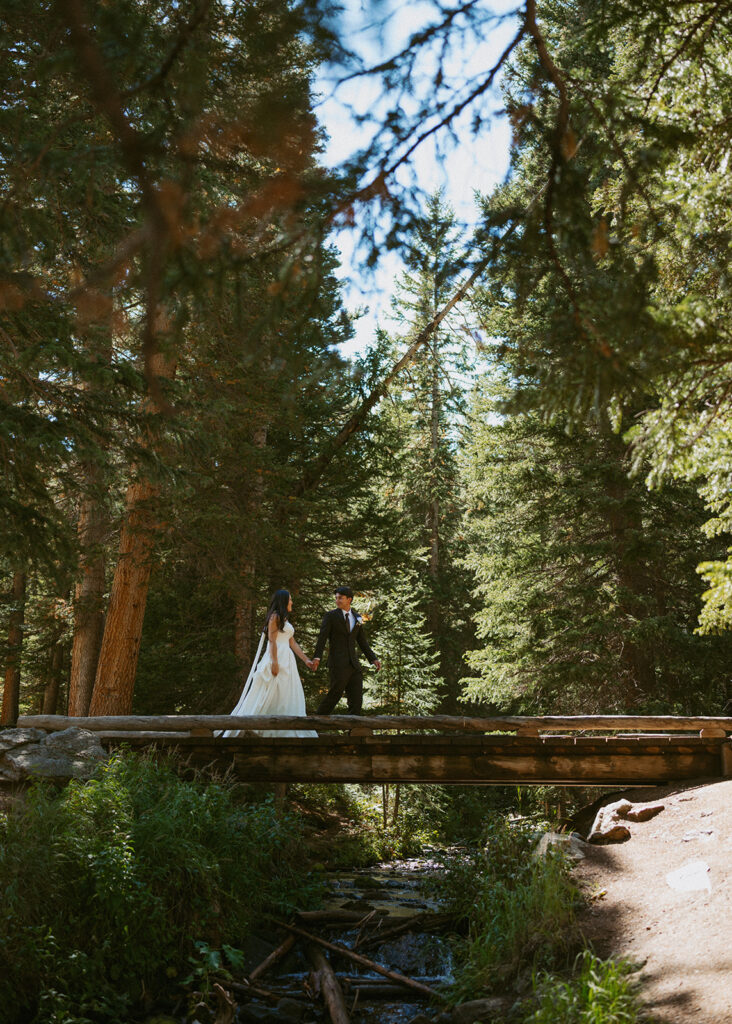
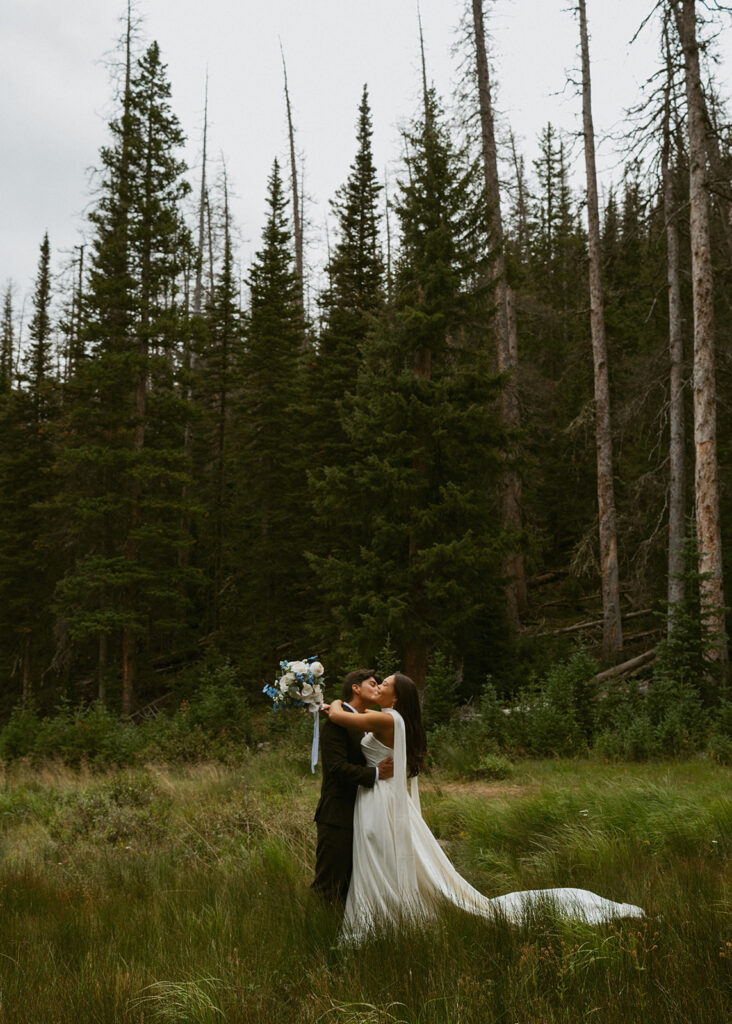
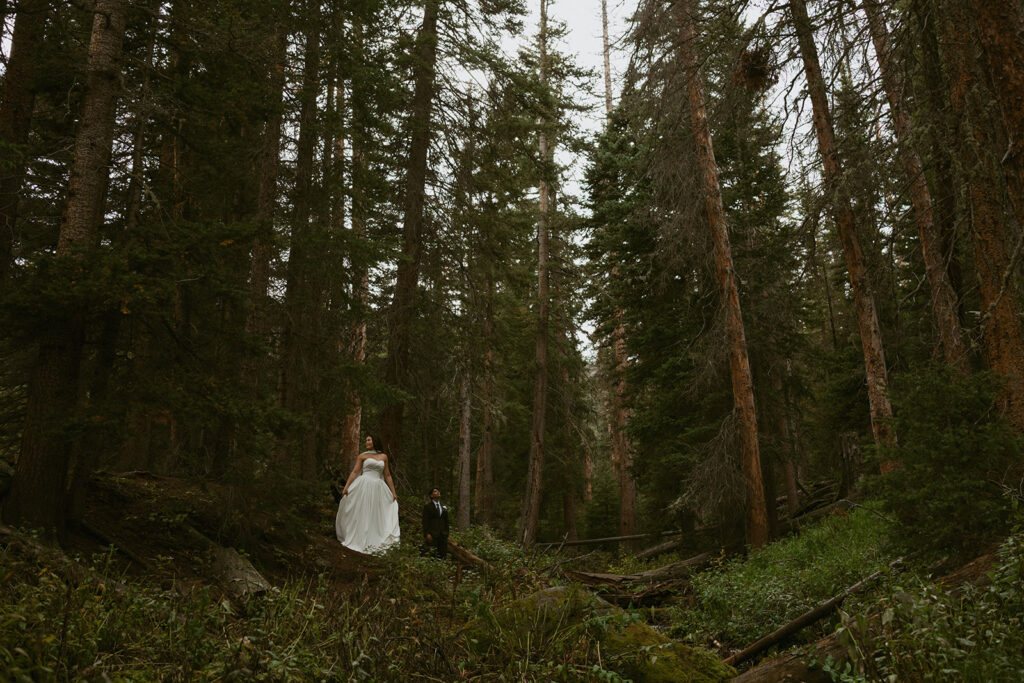
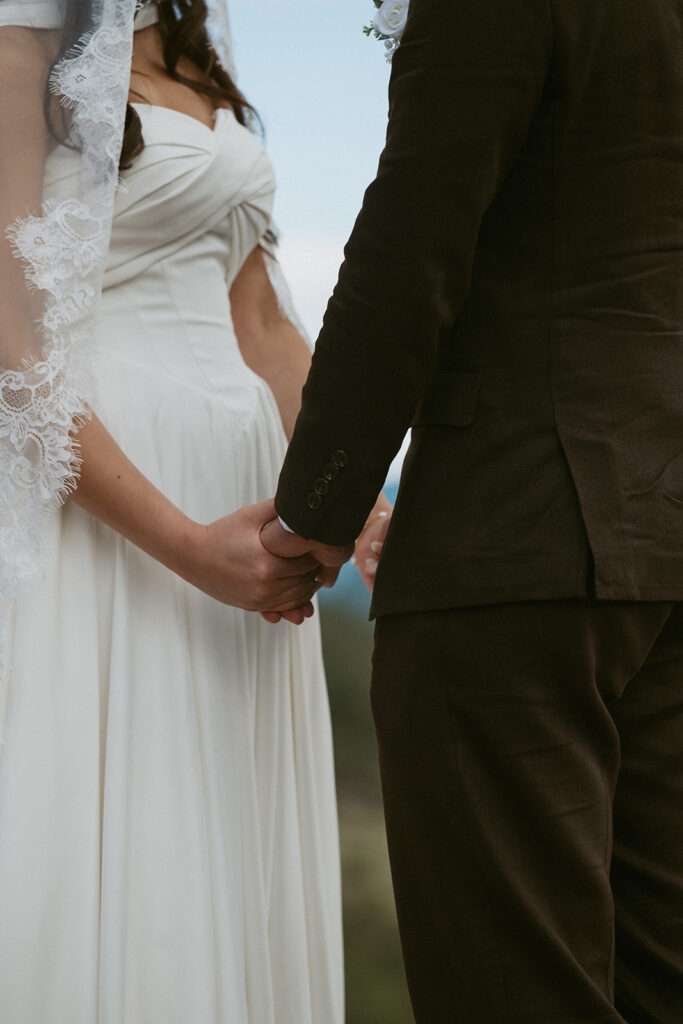
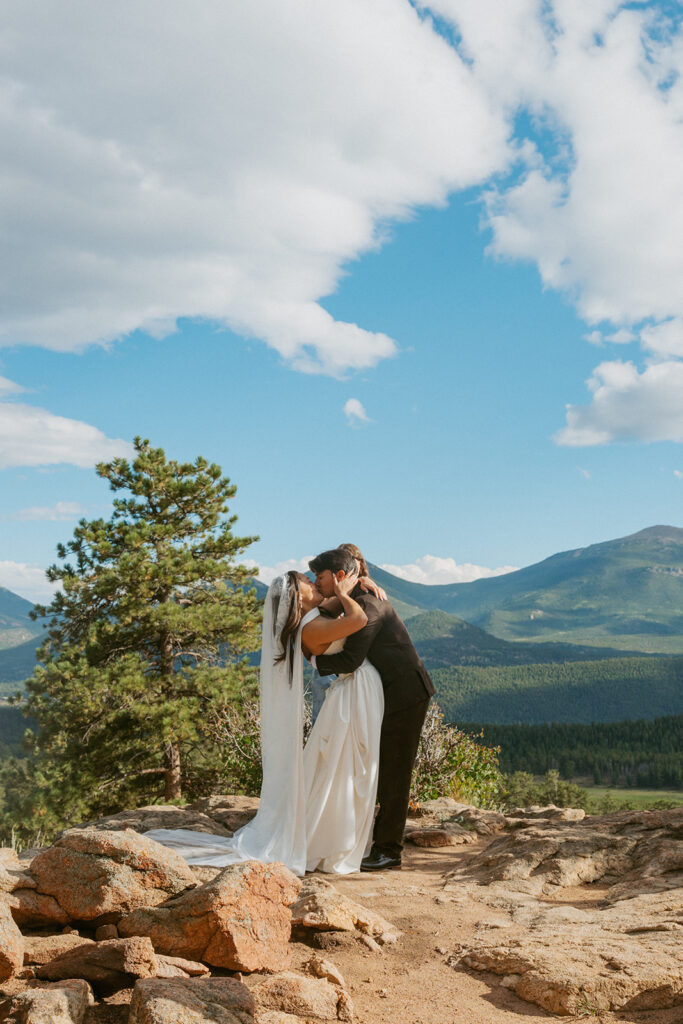
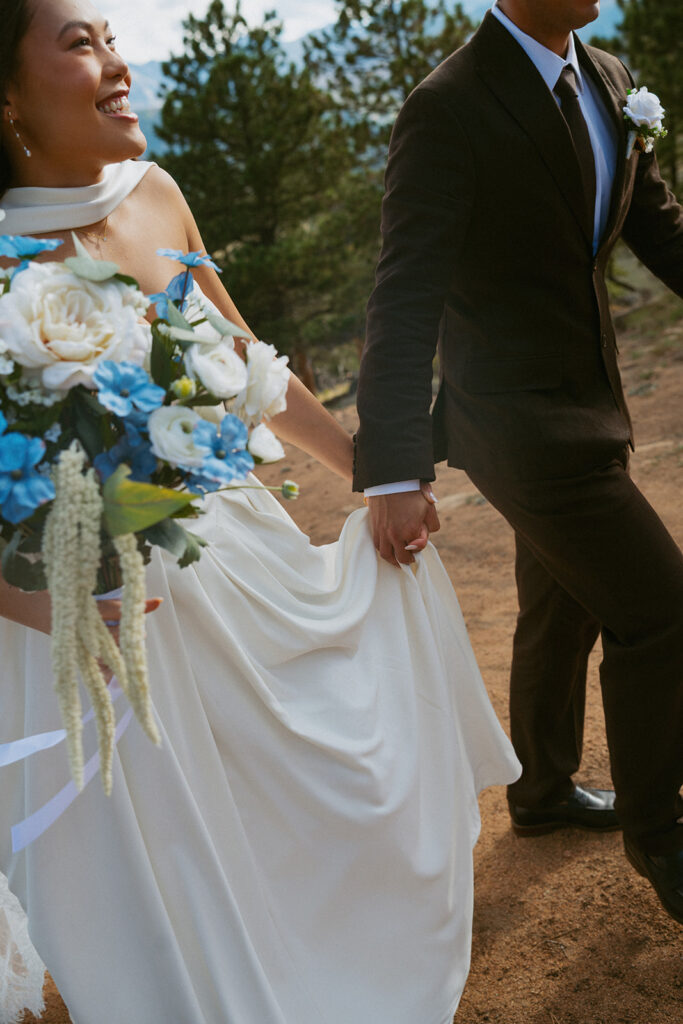
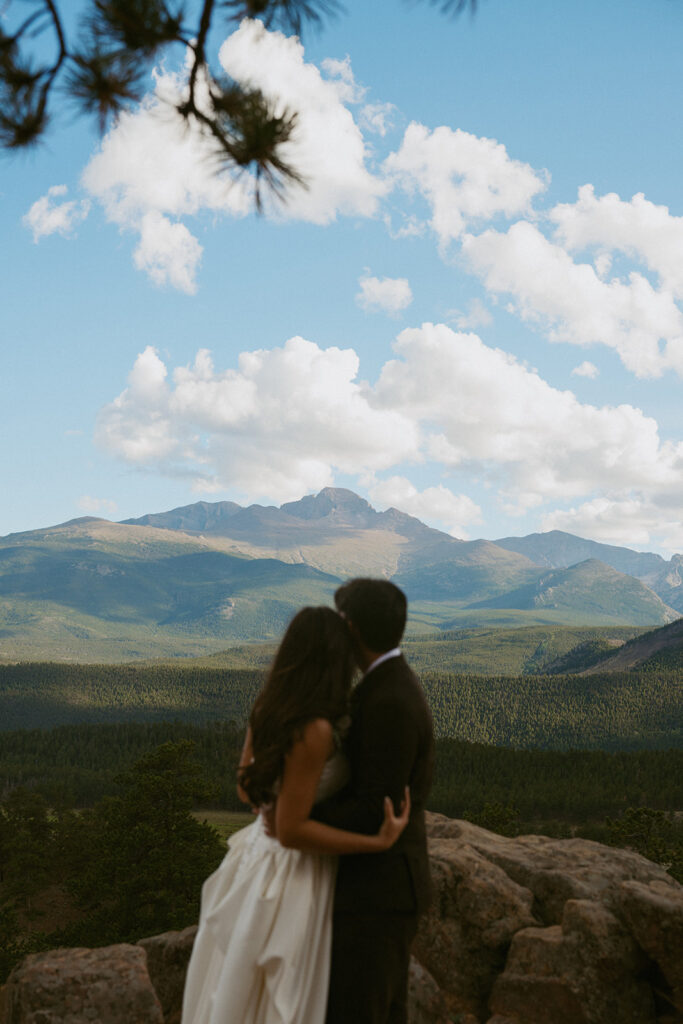
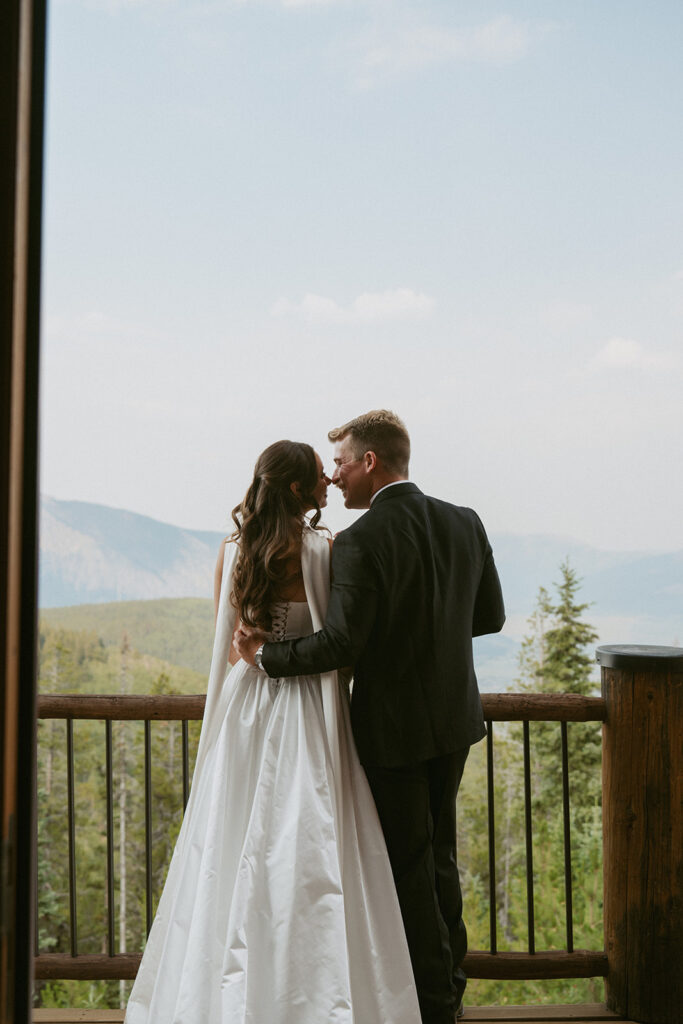
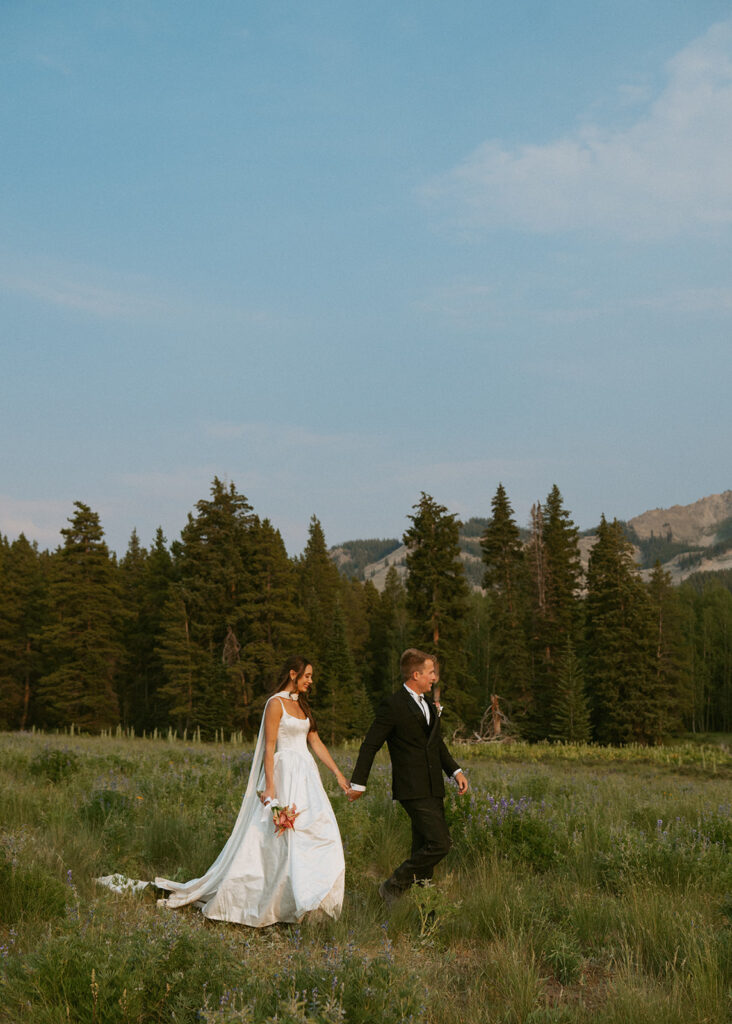
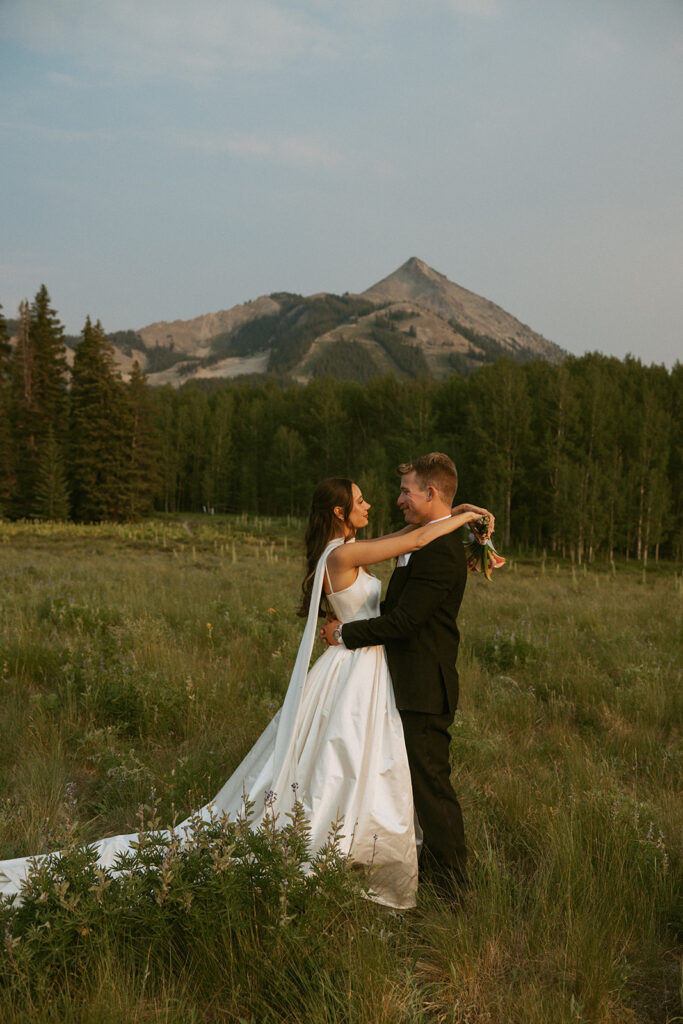
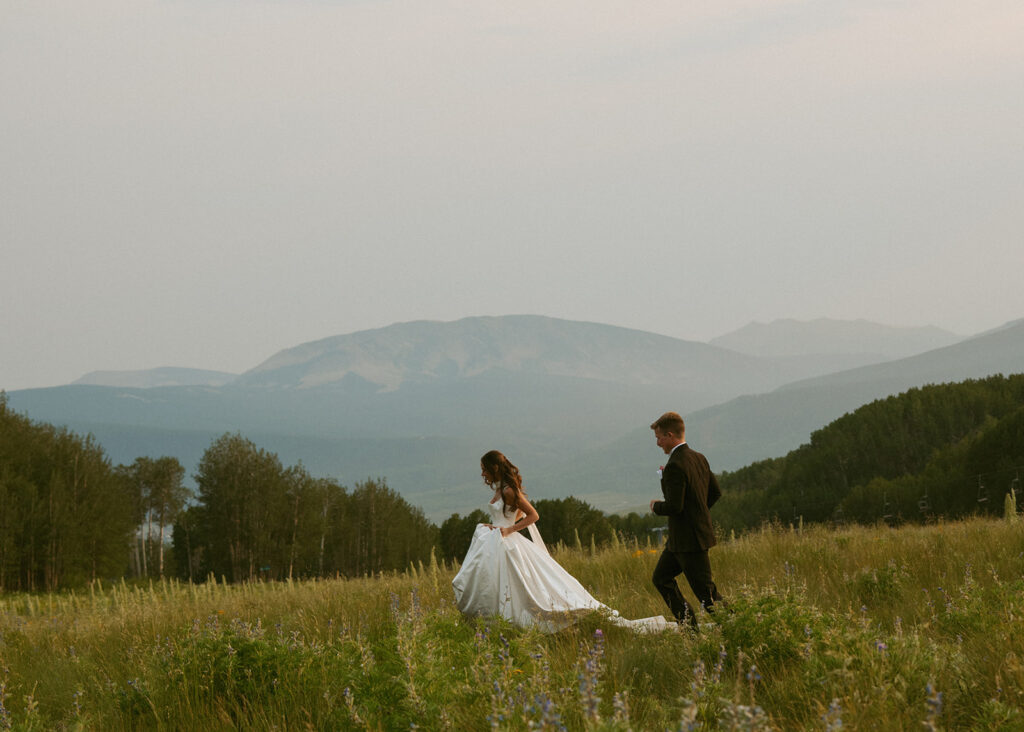
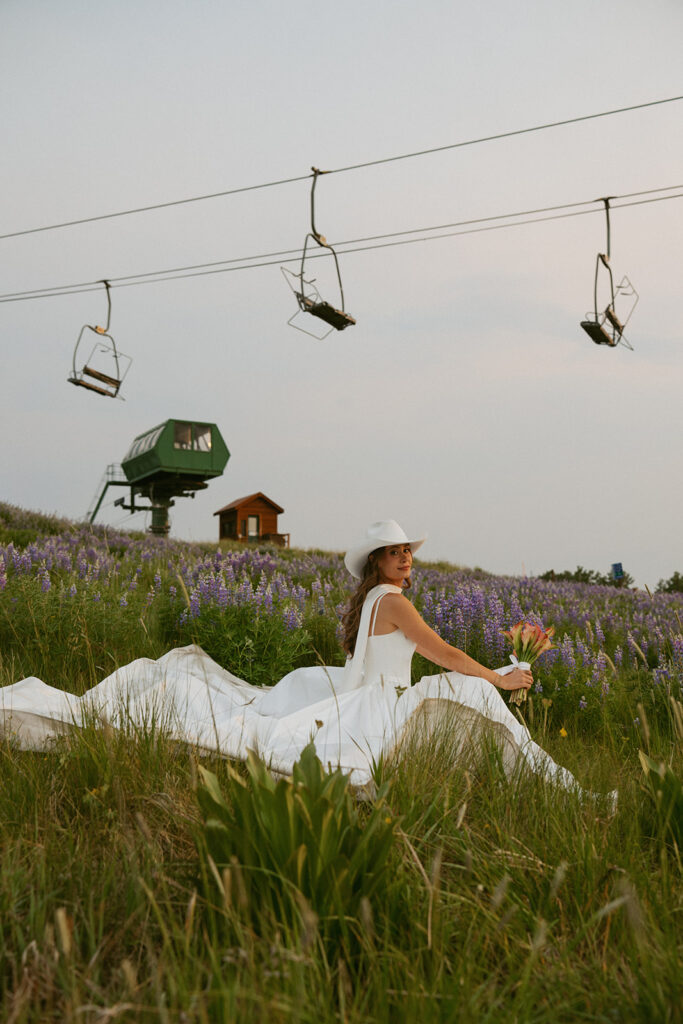
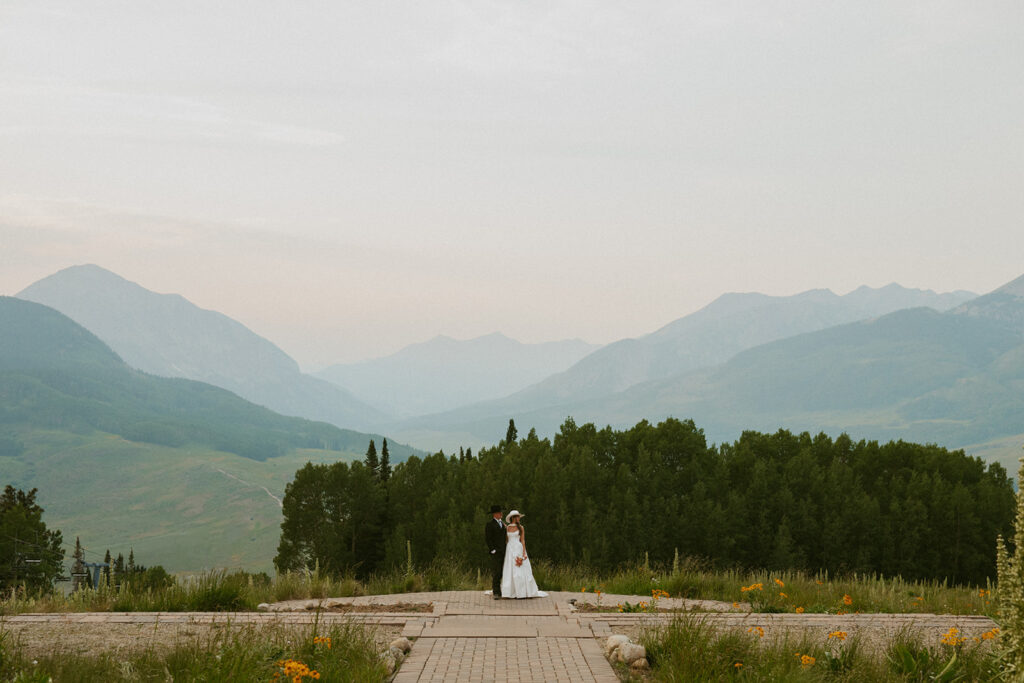
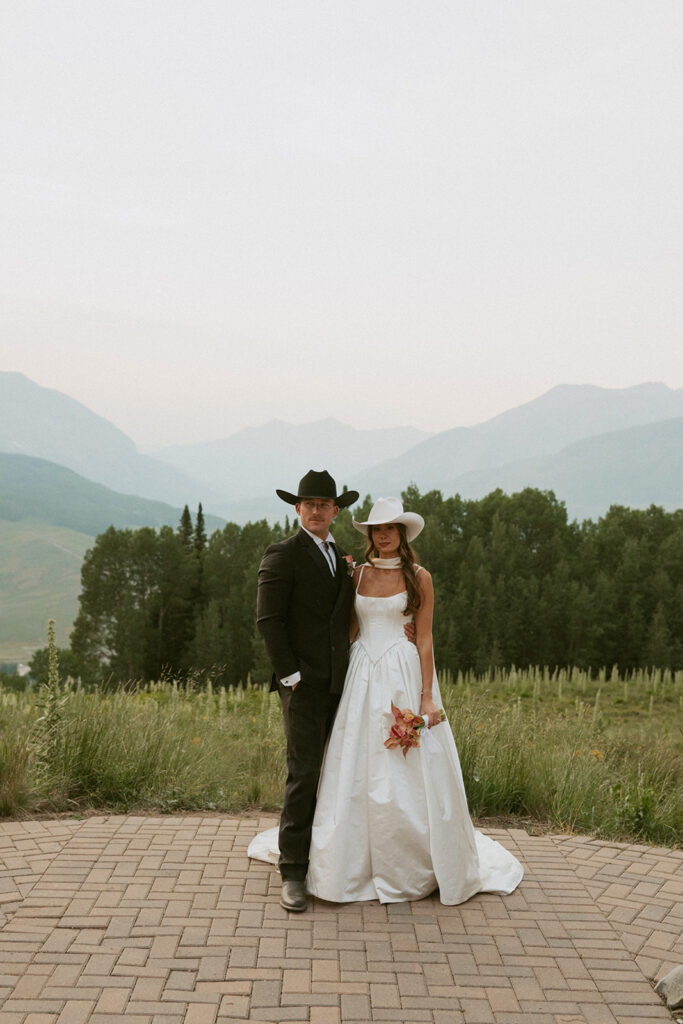
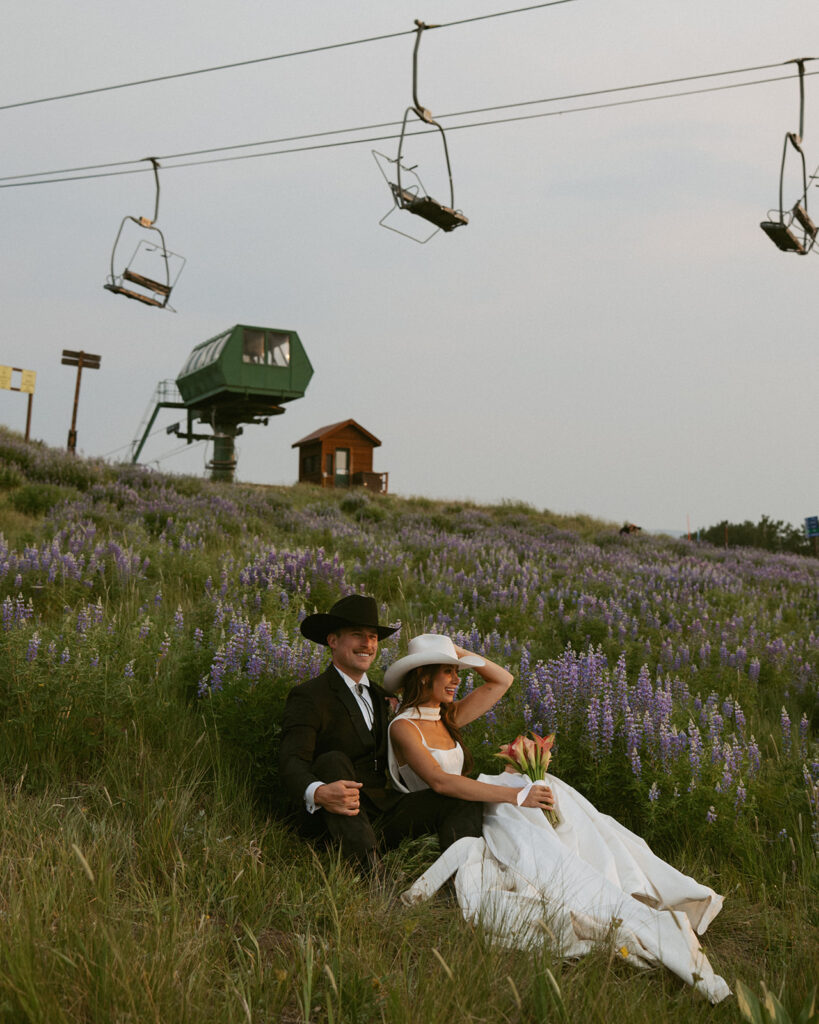
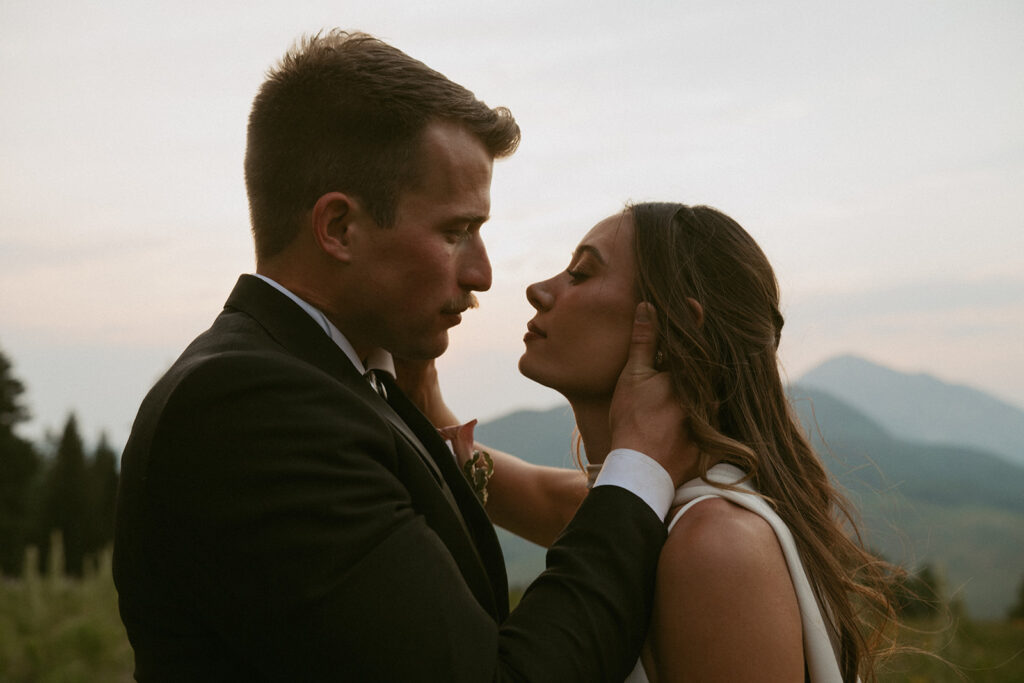
This is probably my favorite part of using the 35–150mm. Having one lens on my camera doesn’t mean every image starts looking the same. I can pull back and photograph a couple surrounded by an insane landscape, then zoom in for the tiny details they intentionally brought with them. I can photograph them moving through a location and then, seconds later, grab a close documentary-style image without interrupting whatever is happening.
I’m still creating variety, I’m just not stopping every five minutes to dig through my bag to do it. That matters a lot for the way I photograph. I want a gallery to show where it happened and how it felt. The big landscapes are part of that story, but so are the tiny expressions and in-between moments. Having a lens that can move between both so quickly means I don’t have to choose one over the other.

The Tiny Piece of Elopement Photography Gear That Never Leaves My Lens
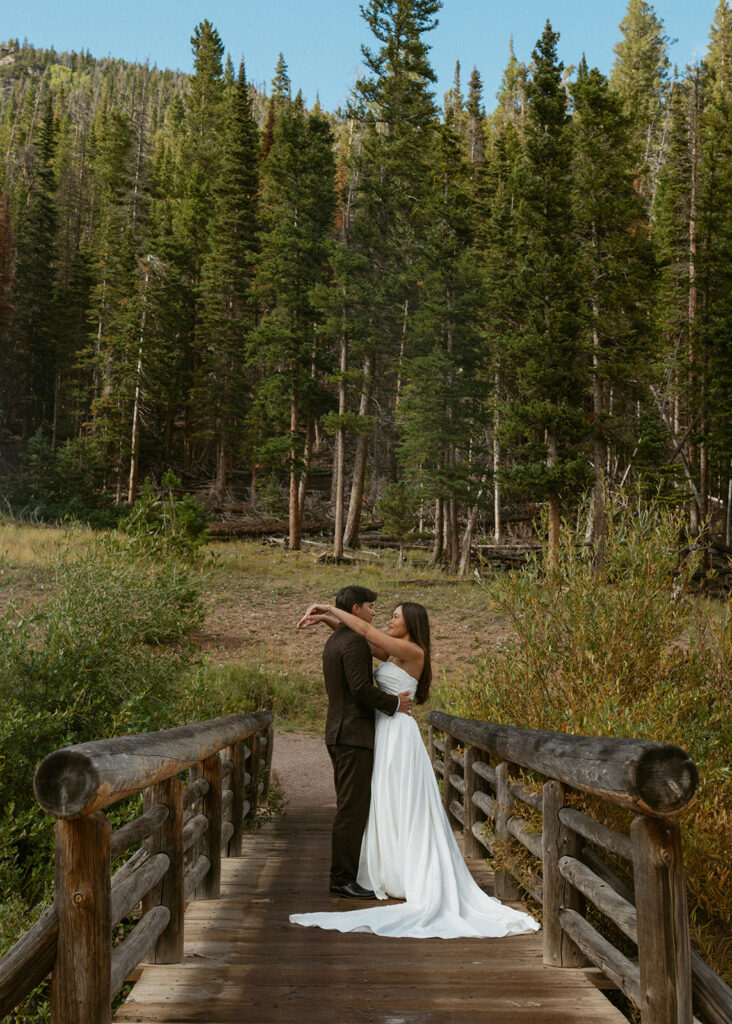
There’s one more thing that pretty much lives on my Tamron: an ND filter. If you photograph outside a lot, you already know that bright sun and shooting wide open don’t always want to play nicely together. I like shooting at wider apertures and getting that shallow depth of field, and I don’t want bright conditions deciding that I suddenly need to completely change the way I photograph.
My ND filter cuts down the amount of light entering my lens, which gives me more flexibility to keep the aperture where I want it without blowing everything out. I jokingly think of it as a little pair of sunglasses for my lens, but it genuinely is one of those simple pieces of gear that makes a big difference in how I work. I use a PolarPro variable ND filter, and especially when I’m photographing somewhere bright and exposed, it’s something I’m constantly reaching for. It ultimately lets me keep the look I want instead of letting the light dictate how I shoot, which is exactly what I want from any piece of gear I’m carrying.
Simple Gear Lets Me Pay Attention to What Actually Matters
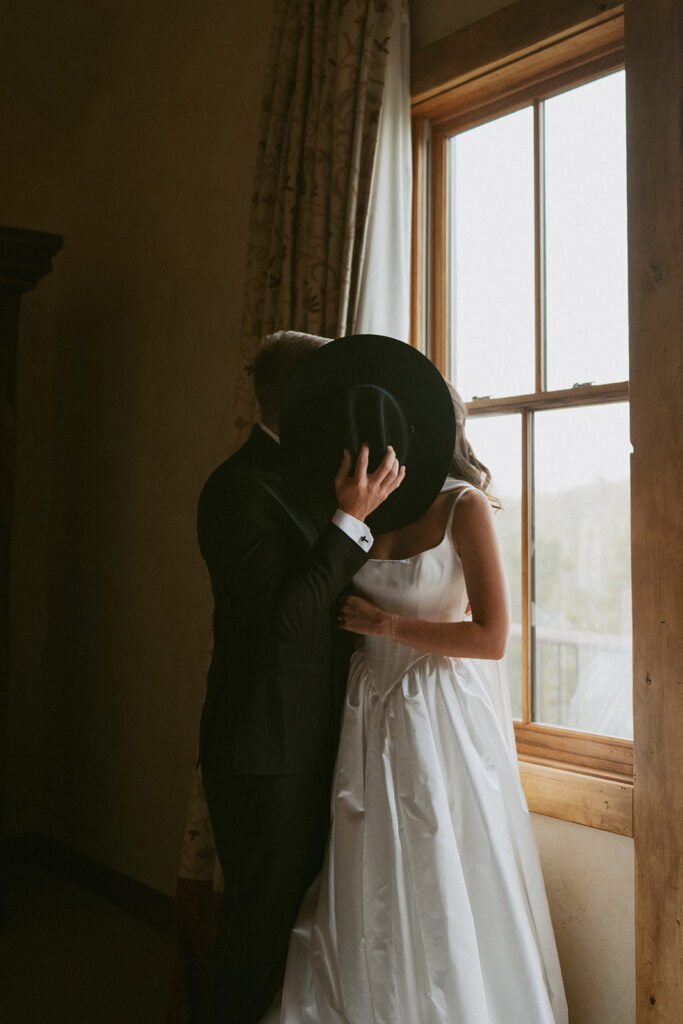
This is really the entire reason I’ve simplified my setup over the years. It’s not because there aren’t other amazing lenses or because everyone should photograph elopements exactly the way I do. It’s because I know how I work best. When I’m photographing an elopement, I don’t want half of my brain thinking about what’s inside my camera bag. I want to notice the wind catching a veil, someone squeezing their partner’s hand during their vows. A guest tearing up off to the side, or the light suddenly changing across the landscape.
Those little things happen whether you’re ready for them or not. And when I’m traveling for destination work, keeping things intentional becomes even more valuable. I’m already thinking about travel logistics, changing weather, unfamiliar locations, and everything else that comes with photographing an elopement somewhere new. I want my camera setup to be the part that feels second nature. The less I’m thinking about what’s in my hands, the more I’m paying attention to what’s happening in front of me. That’s the whole point.

What Piece of Gear Never Leaves Your Camera?
Taylor Made Photo | Colorado Elopement Photographer
If you’re a photographer still figuring out your setup, give yourself permission to keep it simple. You don’t need to buy every lens someone recommends or carry a camera bag overflowing with gear to create really good work. Learn what you have, figure out what helps you photograph the way you want to photograph, and build from there. After seven years, this is the elopement photography gear that works for me, but I’m always curious about what other photographers swear by. What’s the one lens or piece of gear that basically lives on your camera? I want to know! If you want to learn more about me and what I do, click here!


